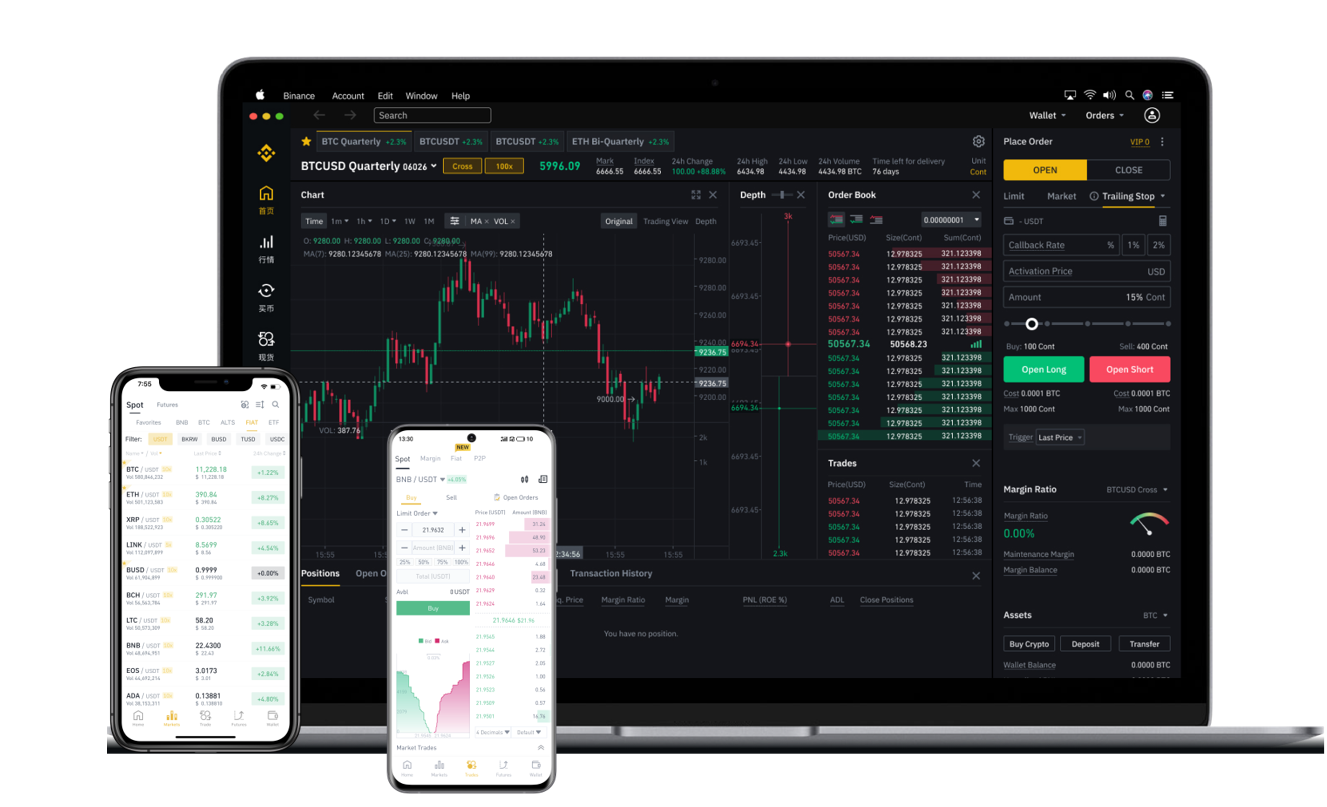

Binance Coin (BNB) is the native cryptocurrency of the Binance ecosystem. While many users hold BNB as an investment, its primary utility lies within the Binance exchange. Understanding how to use BNB effectively can save you money, unlock features, and streamline your trading experience. This guide will walk you through the essential functions of BNB on the Binance platform.
First, you need to acquire BNB. If you do not already hold it, you can purchase BNB directly on the Binance exchange using fiat currency (like USD or EUR) or by trading another cryptocurrency such as Bitcoin (BTC) or Tether (USDT). Once your BNB is in your Spot Wallet, you can begin using it.
The most common use of BNB on the exchange is to pay for trading fees. By default, Binance charges a fee for every trade you make. However, if you go to the "Settings" page and enable the "Use BNB for Fees" option, the exchange will automatically deduct your trading fees from your BNB balance instead of your primary trading pair. The significant advantage here is a 25% discount on your trading fees. For high-volume traders, this discount can result in substantial savings over time. This feature applies to both spot trading and margin trading.
Beyond trading fees, BNB is also used for token sales on Binance Launchpad. To participate in new project launches, you often need to hold a certain amount of BNB in your account over a specific period. Your BNB balance then earns you "lottery tickets" or allocations for new tokens. This is a primary method for users to get early access to promising blockchain projects. Without BNB in your wallet, participation in these events is usually not possible.
Another key function is staking and earning. Binance offers various financial products where you can lock up your BNB to earn interest, known as BNB Staking. You can choose between flexible savings (where you can withdraw anytime) and locked staking (where your BNB is committed for a set period, but earns higher annual percentage yields, APY). This is a simple way to generate passive income on your BNB holdings without trading actively. Additionally, BNB is required for creating tokens on the Binance Smart Chain (BSC) network if you are a developer, and it is used to pay gas fees for transactions within the BSC ecosystem.
For day traders, BNB can also serve as a base trading pair. You can trade BNB directly against other altcoins, bypassing the need to first buy Bitcoin or USDT. Some traders prefer this because BNB is often a high-liquidity asset, allowing for quick trades without large price slippage.
To use BNB effectively, always keep a small amount in your Spot Wallet. If you run out of BNB in your wallet when the "Use BNB for Fees" setting is active, your trades will still execute, but you will be charged the full fee in the original trading pair. It is wise to check your BNB balance before placing large orders. Finally, remember that BNB is a volatile asset. While it can reduce your trading costs, its value fluctuates. Experienced users often keep just enough BNB to cover fees and staking needs, keeping the rest in stablecoins or other assets to manage risk.
In summary, using BNB on the Binance exchange is straightforward. Acquire it, enable the fee discount, and explore its uses in staking and token sales. By integrating BNB into your trading routine, you maximize the efficiency and cost-effectiveness of your activities on the world's largest cryptocurrency exchange.