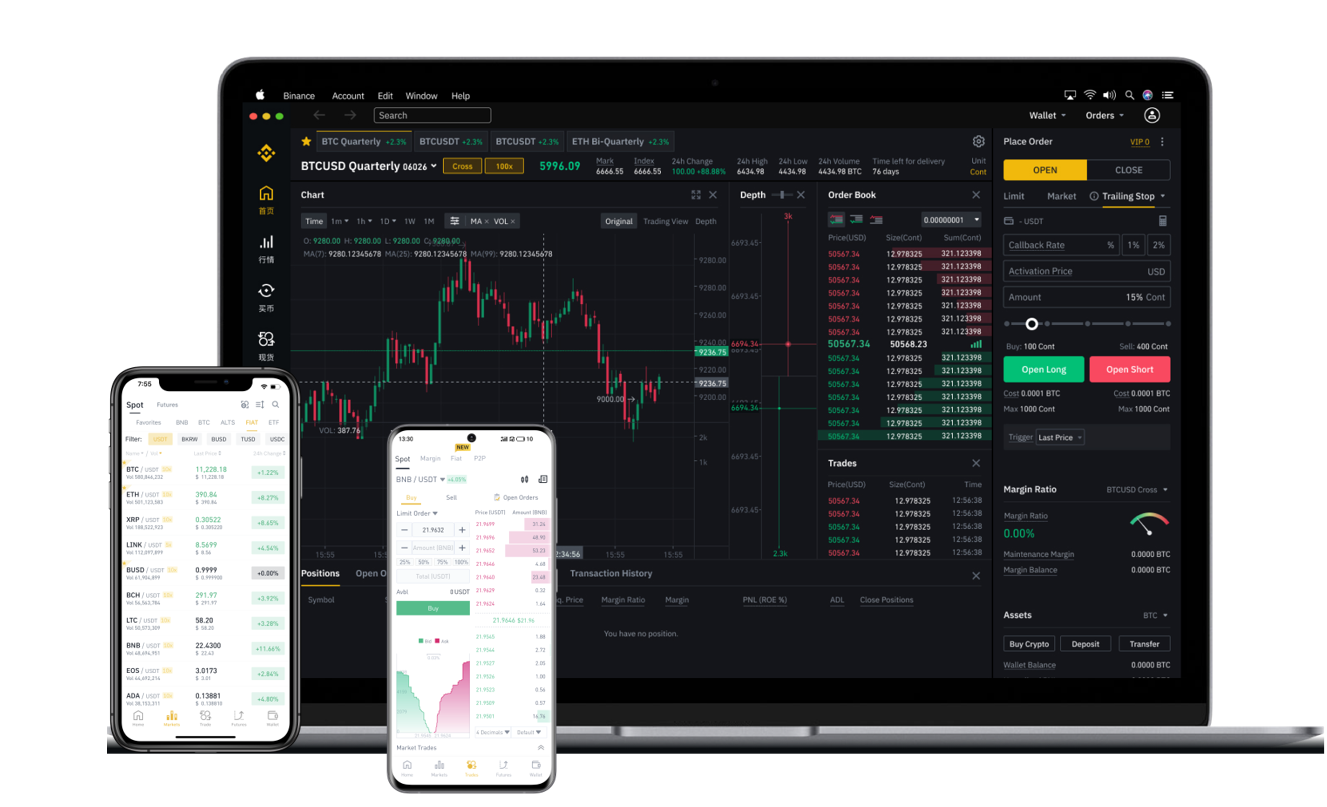


As the Pi Network ecosystem evolves toward a potential listing on major exchanges like Binance, many users are eager to understand the withdrawal process. While Pi Coin (PI) is currently in its enclosed mainnet phase and not yet traded on Binance, it is essential to prepare for the day when it becomes available. Below is a comprehensive guide on what to expect and how to withdraw Pi Coin from Binance once it is listed.
First, understand that Pi Coin withdrawal from Binance is only possible after the exchange officially lists PI as a tradable digital asset. At that point, Binance will support deposits, withdrawals, and trading pairs. Before initiating any transfer, you must have a verified Binance account, which includes completing identity verification (KYC) and enabling two-factor authentication (2FA) for security. Additionally, you need a compatible Pi Network wallet that can receive mainnet Pi Coins—not just the testnet tokens used during development.
Once Binance lists Pi Coin, the withdrawal process is similar to other cryptocurrencies. Log into your Binance account and navigate to the "Wallet" section, then select "Withdraw." Choose PI from the list of supported coins. You will be prompted to enter the withdrawal address—this must be your Pi Network mainnet wallet address. Double-check that the wallet supports the Pi blockchain and that you have copied the address correctly. Mistakes in address entry could result in permanent loss of funds.
Next, enter the amount of Pi Coin you wish to withdraw. Binance imposes minimum withdrawal limits and network fees, which vary based on market conditions. Review the transaction fees carefully. After entering the amount, confirm the details. Binance may require additional verification steps, such as 2FA or email confirmation, to authorize the withdrawal. Once confirmed, the transaction will be processed. Depending on network congestion, the transfer may take from a few minutes to several hours.
It is important to note that during the initial listing period, Binance might suspend withdrawals temporarily to ensure network stability and liquidity. Always check Binance’s official announcements for any restrictions or maintenance windows. Also, be aware that Pi Network may still be in a transition period—only users who have completed KYC and migrated to the mainnet can receive actual Pi Coins. If you have not yet migrated your Pi from the enclosed mainnet to the open mainnet, your withdrawal may not succeed.
Security is critical. Never share your private keys, withdrawal passwords, or 2FA codes with anyone. Phishing scams often target users during exchange listings. Only use official Binance domains and the Pi Network’s official wallet. If you encounter suspicious links or services claiming to facilitate early withdrawals, they are almost certainly fraudulent.
Finally, after you receive Pi Coins in your personal wallet, you can choose to hold, trade, or transfer them further. Note that Pi Network’s roadmap suggests a gradual transition to community-driven governance. Until then, the value and liquidity of Pi remain uncertain. Consult the latest updates from both Binance and Pi Network before making any financial decisions.
In summary, withdrawing Pi Coin from Binance involves waiting for the official listing, using a verified account, entering your correct mainnet wallet address, and following standard withdrawal procedures. Stay cautious, rely on official sources, and never rush transactions. With proper preparation, you can safely withdraw your Pi Coins when Binance finally opens the gates.